 «Κόλαφος» για την Τουρκία η έκθεση του Στέιτ Ντιπάρτμεντ για τα ανθρώπινα δικαιώματα
Μία έκθεση – κόλαφος για την κατάσταση των ανθρωπίνων δικαιωμάτων στην Τουρκία έδωσε στη δημοσιότητα το αμερικανικό υπουργείο Εξωτερικών.
Το αμερικανικό υπουργείο Εξωτερικών τονίζει πως ήδη από το 2016 η Τουρκία έχει περιορίσει θεμελιώδεις ελευθερίες και θέτει σε κίνδυνο το κράτος δικαίου. Μετά την απόπειρα πραξικοπήματος το 2016, οι αρχές έθεσαν σε διαθεσιμότητα ή απέλυσαν πάνω από 45.000 αστυνομικούς και στρατιωτικούς και περισσότερους από 130.000 δημόσιους υπαλλήλους, απέπεμψαν το ένα τρίτο της δικαστικής εξουσίας, συνέλαβαν ή φυλάκισαν περισσότερους από 80.000 πολίτες και έκλεισαν περισσότερους από 1.500 ΜΚΟ) για λόγους που σχετίζονται με την τρομοκρατία κυρίως για τους ισχυρισμούς για τη μετακίνηση. Βασικοί λόγοι ήταν οι κατηγορίες για σχέσεις με τον κληρικό Fethullah Gulen, τον οποίο κατηγορεί η κυβέρνηση για την απόπειρα πραξικοπήματος.
Σημαντικά ζητήματα ανθρωπίνων δικαιωμάτων περιλάμβαναν: Εκθέσεις για αυθαίρετες δολοφονίες, ύποπτοι θάνατοι ατόμων που βρισκόταν υπό κράτηση, βασανιστήρια, αυθαίρετη σύλληψη και κράτηση δεκάδων χιλιάδων ατόμων: Μεταξύ τους είναι πρώην βουλευτές της αντιπολίτευσης, δικηγόροι, δημοσιογράφοι, ξένοι πολίτες και υπάλληλοι της αποστολής των ΗΠΑ. Επίσης υπάρχουν πολιτικοί κρατούμενοι, συμπεριλαμβανομένων των εκλεγμένων αξιωματούχων και ακαδημαϊκών.
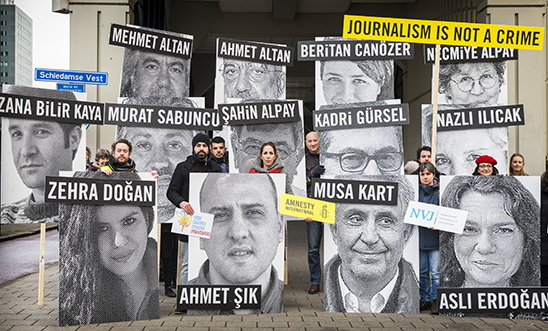
Ταυτόχρονα διαπιστώνονται σημαντικά προβλήματα με την ανεξαρτησία της Δικαιοσύνης, αυστηροί περιορισμοί στην ελευθερία της έκφρασης, στον Τύπο και στο διαδίκτυο, συμπεριλαμβανομένης της βίας και των απειλών βίας κατά των δημοσιογράφων, του κλεισίματος των μέσων μαζικής ενημέρωσης και των αδικαιολόγητων συλλήψεων ή ποινικής δίωξης δημοσιογράφων και άλλων για κριτική πολιτικών ή αξιωματούχων της κυβέρνησης, λογοκρισία. Επιπρόσθετα διαπιστώνεται σοβαρός περιορισμός των ελευθεριών του συνέρχεσθαι, του συνεταιρίζεσθαι και της μετακίνησης.
Στο μεταναστευτικό, που ο Ερντογάν παριστάνει τον τιμητή του Διεθνούς Δικαίου, το Στέιτ Ντιπάρτμεντ κάνει λόγο για περιπτώσεις επαναπροώθησης προσφύγων [push backs].
Η κυβέρνηση έλαβε περιορισμένα μέτρα για τη διερεύνηση, δίωξη και τιμωρία μελών των δυνάμεων ασφαλείας και άλλων αξιωματούχων που κατηγορούνται για παραβιάσεις των ανθρωπίνων δικαιωμάτων, παρατηρεί το Στέιτ Ντιπάρτμεντ.
Οι συγκρούσεις μεταξύ των δυνάμεων ασφαλείας και της τρομοκρατικής οργάνωσης του Κόμματος των Εργαζομένων του Κουρδιστάν (PKK) και των παρακλαδιών του συνεχίστηκαν και το 2019, αν και σε μειωμένο επίπεδο σε σχέση με τα προηγούμενα έτη, και είχαν ως αποτέλεσμα τον τραυματισμό ή το θάνατο των δυνάμεων ασφαλείας, των τρομοκρατών του ΡΚΚ και των αμάχων. Η κυβέρνηση δεν δημοσίευσε πληροφορίες σχετικά με τις προσπάθειες για τη διερεύνηση ή τη δίωξη του προσωπικού για αθέμιτους ή ακούσιους θανάτους πολιτών που συνδέονται με επιχειρήσεις κατά του ΡΚΚ.
The National Police and Jandarma, under the control of the Ministry of Interior, are responsible for security in urban areas and rural and border areas respectively. The military has overall responsibility for border control and external security. Civilian authorities maintained effective control over law enforcement, but mechanisms to investigate and punish abuse and corruption remained inadequate, and impunity remained a problem.
Under broad antiterror legislation the government restricted fundamental freedoms and compromised the rule of law. Since the 2016 coup attempt, authorities have dismissed or suspended more than 45,000 police and military personnel and more than 130,000 civil servants, dismissed one-third of the judiciary, arrested or imprisoned more than 80,000 citizens, and closed more than 1,500 nongovernmental organizations (NGOs) on terrorism-related grounds, primarily for alleged ties to the movement of cleric Fethullah Gulen, whom the government accuses of masterminding the coup attempt, and designated by the government as the leader of the “Fethullah Terrorist Organization” (“FETO”).
Significant human rights issues included: reports of arbitrary killings; suspicious deaths of persons in custody; forced disappearances; torture; arbitrary arrest and detention of tens of thousands of persons, including former opposition members of parliament, lawyers, journalists, foreign citizens, and employees of the U.S. Mission, for purported ties to “terrorist” groups or peaceful legitimate speech; the existence of political prisoners, including elected officials and academics; significant problems with judicial independence; severe restrictions on freedom of expression, the press, and the internet, including violence and threats of violence against journalists, closure of media outlets, and unjustified arrests or criminal prosecution of journalists and others for criticizing government policies or officials, censorship, site blocking and the existence of criminal libel laws; severe restriction of freedoms of assembly, association, and movement; some cases of refoulement of refugees; and violence against women and lesbian, gay, bisexual, transgender, and intersex (LGBTI) persons and members of other minorities.
The government took limited steps to investigate, prosecute, and punish members of the security forces and other officials accused of human rights abuses; impunity remained a problem.
Clashes between security forces and the Kurdistan Workers’ Party (PKK) terrorist organization and its affiliates continued, although at a reduced level compared with previous years, and resulted in the injury or death of security forces, PKK terrorists, and civilians. The government did not release information on efforts to investigate or prosecute personnel for wrongful or inadvertent deaths of civilians linked to counter-PKK operations.
Διαβάστε ολόκληρη την έκθεση του Στέιτ Ντιπάρτμεντ για την Τουρκία - Στα αγγλικά
Το αμερικανικό υπουργείο Εξωτερικών τονίζει πως ήδη από το 2016 η Τουρκία έχει περιορίσει θεμελιώδεις ελευθερίες και θέτει σε κίνδυνο το κράτος δικαίου. Μετά την απόπειρα πραξικοπήματος το 2016, οι αρχές έθεσαν σε διαθεσιμότητα ή απέλυσαν πάνω από 45.000 αστυνομικούς και στρατιωτικούς και περισσότερους από 130.000 δημόσιους υπαλλήλους, απέπεμψαν το ένα τρίτο της δικαστικής εξουσίας, συνέλαβαν ή φυλάκισαν περισσότερους από 80.000 πολίτες και έκλεισαν περισσότερους από 1.500 ΜΚΟ) για λόγους που σχετίζονται με την τρομοκρατία κυρίως για τους ισχυρισμούς για τη μετακίνηση. Βασικοί λόγοι ήταν οι κατηγορίες για σχέσεις με τον κληρικό Fethullah Gulen, τον οποίο κατηγορεί η κυβέρνηση για την απόπειρα πραξικοπήματος.
Σημαντικά ζητήματα ανθρωπίνων δικαιωμάτων περιλάμβαναν: Εκθέσεις για αυθαίρετες δολοφονίες, ύποπτοι θάνατοι ατόμων που βρισκόταν υπό κράτηση, βασανιστήρια, αυθαίρετη σύλληψη και κράτηση δεκάδων χιλιάδων ατόμων: Μεταξύ τους είναι πρώην βουλευτές της αντιπολίτευσης, δικηγόροι, δημοσιογράφοι, ξένοι πολίτες και υπάλληλοι της αποστολής των ΗΠΑ. Επίσης υπάρχουν πολιτικοί κρατούμενοι, συμπεριλαμβανομένων των εκλεγμένων αξιωματούχων και ακαδημαϊκών.
Ταυτόχρονα διαπιστώνονται σημαντικά προβλήματα με την ανεξαρτησία της Δικαιοσύνης, αυστηροί περιορισμοί στην ελευθερία της έκφρασης, στον Τύπο και στο διαδίκτυο, συμπεριλαμβανομένης της βίας και των απειλών βίας κατά των δημοσιογράφων, του κλεισίματος των μέσων μαζικής ενημέρωσης και των αδικαιολόγητων συλλήψεων ή ποινικής δίωξης δημοσιογράφων και άλλων για κριτική πολιτικών ή αξιωματούχων της κυβέρνησης, λογοκρισία. Επιπρόσθετα διαπιστώνεται σοβαρός περιορισμός των ελευθεριών του συνέρχεσθαι, του συνεταιρίζεσθαι και της μετακίνησης.
Στο μεταναστευτικό, που ο Ερντογάν παριστάνει τον τιμητή του Διεθνούς Δικαίου, το Στέιτ Ντιπάρτμεντ κάνει λόγο για περιπτώσεις επαναπροώθησης προσφύγων [push backs].
Η κυβέρνηση έλαβε περιορισμένα μέτρα για τη διερεύνηση, δίωξη και τιμωρία μελών των δυνάμεων ασφαλείας και άλλων αξιωματούχων που κατηγορούνται για παραβιάσεις των ανθρωπίνων δικαιωμάτων, παρατηρεί το Στέιτ Ντιπάρτμεντ.
Οι συγκρούσεις μεταξύ των δυνάμεων ασφαλείας και της τρομοκρατικής οργάνωσης του Κόμματος των Εργαζομένων του Κουρδιστάν (PKK) και των παρακλαδιών του συνεχίστηκαν και το 2019, αν και σε μειωμένο επίπεδο σε σχέση με τα προηγούμενα έτη, και είχαν ως αποτέλεσμα τον τραυματισμό ή το θάνατο των δυνάμεων ασφαλείας, των τρομοκρατών του ΡΚΚ και των αμάχων. Η κυβέρνηση δεν δημοσίευσε πληροφορίες σχετικά με τις προσπάθειες για τη διερεύνηση ή τη δίωξη του προσωπικού για αθέμιτους ή ακούσιους θανάτους πολιτών που συνδέονται με επιχειρήσεις κατά του ΡΚΚ.
2019 Country Reports on Human Rights Practices: Turkey
Executive Summary
Turkey is a constitutional republic with an executive presidential system and a 600-seat parliament. The unicameral parliament (the Grand National Assembly) exercises legislative authority. In presidential and parliamentary elections in 2018, Organization for Security and Cooperation in Europe (OSCE) observers expressed concern regarding restrictions on media reporting and the campaign environment that restricted the ability of opposition candidates, including the jailing of a presidential candidate at the time, to compete on an equal basis and campaign freely. In March municipal elections, Council of Europe observers expressed similar concerns about limitations on freedom of expression, particularly for the media, and about a legal framework that contributed to an unequal campaign environment. The observers also criticized the Supreme Electoral Council’s decision to rerun the Istanbul mayoral race in June and several decisions replacing winning opposition Peoples’ Democratic Party (HDP) candidates with second-place governing-party candidates.The National Police and Jandarma, under the control of the Ministry of Interior, are responsible for security in urban areas and rural and border areas respectively. The military has overall responsibility for border control and external security. Civilian authorities maintained effective control over law enforcement, but mechanisms to investigate and punish abuse and corruption remained inadequate, and impunity remained a problem.
Under broad antiterror legislation the government restricted fundamental freedoms and compromised the rule of law. Since the 2016 coup attempt, authorities have dismissed or suspended more than 45,000 police and military personnel and more than 130,000 civil servants, dismissed one-third of the judiciary, arrested or imprisoned more than 80,000 citizens, and closed more than 1,500 nongovernmental organizations (NGOs) on terrorism-related grounds, primarily for alleged ties to the movement of cleric Fethullah Gulen, whom the government accuses of masterminding the coup attempt, and designated by the government as the leader of the “Fethullah Terrorist Organization” (“FETO”).
Significant human rights issues included: reports of arbitrary killings; suspicious deaths of persons in custody; forced disappearances; torture; arbitrary arrest and detention of tens of thousands of persons, including former opposition members of parliament, lawyers, journalists, foreign citizens, and employees of the U.S. Mission, for purported ties to “terrorist” groups or peaceful legitimate speech; the existence of political prisoners, including elected officials and academics; significant problems with judicial independence; severe restrictions on freedom of expression, the press, and the internet, including violence and threats of violence against journalists, closure of media outlets, and unjustified arrests or criminal prosecution of journalists and others for criticizing government policies or officials, censorship, site blocking and the existence of criminal libel laws; severe restriction of freedoms of assembly, association, and movement; some cases of refoulement of refugees; and violence against women and lesbian, gay, bisexual, transgender, and intersex (LGBTI) persons and members of other minorities.
The government took limited steps to investigate, prosecute, and punish members of the security forces and other officials accused of human rights abuses; impunity remained a problem.
Clashes between security forces and the Kurdistan Workers’ Party (PKK) terrorist organization and its affiliates continued, although at a reduced level compared with previous years, and resulted in the injury or death of security forces, PKK terrorists, and civilians. The government did not release information on efforts to investigate or prosecute personnel for wrongful or inadvertent deaths of civilians linked to counter-PKK operations.


Δεν υπάρχουν σχόλια:
Δημοσίευση σχολίου